
304 Orchard Road, #05-29, Singapore 238863


What Is TCA CROSS and How It Treats Deep Acne Scars

TCA CROSS is a targeted acne scar treatment used for treating acne scars, especially deep acne scars and atrophic acne scars that do not respond well to other treatments. It is also known as trichloroacetic acid chemical reconstruction, a precise method of reconstruction of skin scars using high-strength trichloroacetic acid.
The TCA CROSS acne scar treatment focuses on individual skin scars rather than the entire face, making it highly effective for pitted acne scars and deep ice pick scars.
The TCA CROSS procedure is performed by licensed aesthetic doctors to ensure precise application, safety, and optimal outcomes for different skin types including Asian skin, dark skinned, and fair skin.
Acne Scars and Skin Scars

Acne scars and skin scars form when inflammation damages the skin and disrupts normal skin healing. This leads to abnormal scar tissue formation and uneven skin texture.
Different acne scar conditions require different treatments. Shallow scars affect surface texture, while deeper ice pick scars and atrophic scar types extend into deeper layers of skin and are more difficult to treat.
Ice pick scars, rolling scars, and pitted scars are among the most common types of acne scars seen in clinical practice.
Types of Acne Scars
TCA CROSS is commonly used for treating acne scars, especially atrophic acne scars.
Types of acne scars include:
-
Ice pick scars
-
Rolling scars
-
Pitted scars
-
Deep acne scars
Ice pick scars are narrow and deep scars that extend into deeper layers and sometimes involve hair follicles and scar tissue. These deeper ice pick scars are often resistant to chemical peels and laser resurfacing.
TCA CROSS is particularly effective for ice pick acne scars and other atrophic scar types.
What Is TCA CROSS Treatment?
TCA CROSS treatment (also called cross acne scar treatment) is a focused acne scar treatment where trichloroacetic acid is applied directly into each scar.
The tca cross procedure involves targeted application of trichloroacetic acid into the treated area, causing controlled injury that stimulates collagen production and collagen remodelling.
The tca cross procedure involves a chemical reconstruction of skin process that helps rebuild damaged skin and reduce scar depth over time.
During application, the treated area turns white (frosting), indicating protein denaturation and controlled chemical injury.
How TCA CROSS Works
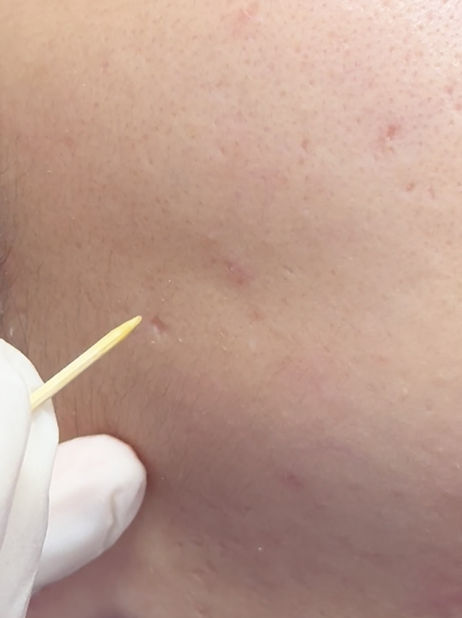
TCA CROSS works by stimulating collagen production inside individual scars. This process increases dermal volume and supports reconstruction of skin scars over time.
The controlled injury stimulates:
-
Collagen production
-
Collagen synthesis
-
Collagen remodelling
-
Skin healing
This leads to gradual improvement in skin texture, skin tone, and scar depth.
The tca cross technique is especially useful for deep scars that extend into deeper layers of skin and are resistant to other treatments such as laser resurfacing or chemical peels.
TCA CROSS Procedure Overview
The TCA CROSS procedure is performed in a clinical setting by trained aesthetic doctors.
The tca cross procedure involves using fine tools such as a toothpick or specialized needle to apply trichloroacetic acid directly into each scar with precision.
Patients may experience slight discomfort or mild stinging, but it is usually well tolerated and temporary.
The procedure is considered safe with minimal complications when performed correctly.
Healing Process and Recovery
The healing process after TCA CROSS generally resolves within 2 to 3 weeks.
During skin healing, the treated area may show:
-
Minor scabbing
-
Tiny scabs
-
Temporary redness lasting a few hours
-
Transient pigmentation
The procedure is safe with minimal complications, although transient pigmentation and minor scabbing may occur during recovery.
Sun protection is essential during the recovery period and healing process to minimise risks and prevent post inflammatory hyperpigmentation.
Patients should avoid picking scabs to prevent potential scarring or infection. Antibiotic ointment may be recommended depending on the treated area.
Patients are also advised to inform their doctor of all medications and medical history before treatment.
Patients should schedule TCA CROSS treatment at least 1 to 1.5 weeks before special events due to recovery time.
Results and Expectations
TCA CROSS helps treat acne scars by stimulating collagen production and supporting long-term skin healing.
Improvements include:
-
Reduced depth of deep acne scars
-
Smoother skin texture
-
Improved skin tone
-
Reduced appearance of pitted acne scars
Most patients see visible improvement after a single session, but deeper scars often require multiple treatments for optimal results.
Over 90% of acne scar cases show notable improvement after 3 to 6 sessions.
Patients can expect a 1 to 2 grade improvement in scars over a 6-month period.
The improvement from collagen boosting is long-lasting, although maintenance treatments may be needed depending on skin condition.
How Many Treatments Are Needed?

The number of TCA CROSS treatments typically ranges from 2 to 6 sessions depending on scar type and skin condition.
Each session provides an average of 30% improvement in acne scars.
Treatment is usually spaced 4 to 6 weeks apart to allow proper skin healing and collagen remodelling.
Deeper scars may require 2 to 3 treatments or more for optimal results.
Suitability for Skin Types
TCA CROSS is suitable for all skin types, including fair, oily, dry, and dark skinned individuals, including Asian skin.
However, darker skin types may have a higher risk of transient pigmentation or post inflammatory hyperpigmentation.
Proper consultation helps minimise risks and ensures appropriate treatment planning based on scar type and skin condition.
Combining TCA CROSS with Other Treatments
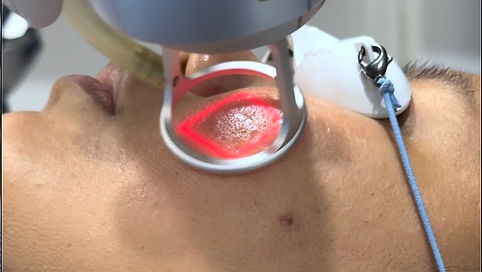
Combining TCA CROSS with other treatments can enhance results for acne scar conditions.
Common combinations include:
-
Laser resurfacing for overall skin texture improvement
-
Subcision for rolling scars
-
Other acne scar treatment methods for mixed scar types
TCA CROSS is often combined with laser resurfacing or subcision for enhanced results, especially in complex scar cases.
Cost of TCA CROSS Treatment
The cost of TCA CROSS treatment typically starts from around $350 per session depending on clinic, scar severity, and number of scars treated.
It is often more cost-effective than full-face laser resurfacing because it targets individual scars directly.
Safety and Considerations
TCA CROSS is performed by trained aesthetic doctors using controlled techniques to ensure safety and precision.
It is considered safe with minimal complications when performed correctly.
Patients may experience temporary redness, minor scabbing, or transient pigmentation, which are part of normal skin healing.
Consultation is required before treatment to evaluate scar type, skin condition, and suitability for TCA CROSS.
Summary of TCA CROSS Treatment
TCA CROSS is a targeted acne scar treatment for deep acne scars, ice pick scars, and atrophic acne scars. It works through chemical reconstruction of skin by stimulating collagen production, improving skin texture, and gradually reducing scar depth while preserving surrounding skin.
FAQ
What is TCA CROSS used for?
TCA CROSS is used to treat deep acne scars, especially ice pick and atrophic scars, by stimulating collagen growth inside individual scars.
How does TCA CROSS treat acne scars?
It applies high-strength TCA directly into each scar, triggering controlled skin injury that boosts collagen and gradually lifts the scar.
Is TCA CROSS better than laser for acne scars?
It can be better for deep ice pick scars because it targets individual scars, while lasers treat the whole skin surface.
How many TCA CROSS sessions do you need?
Most people need 2 to 6 sessions depending on scar depth and skin response.
How long does TCA CROSS take to heal?
Healing usually takes about 2 to 3 weeks as the skin forms and sheds small scabs.
What is the downtime after TCA CROSS?
Downtime is mild, with redness and scabbing for about 1 to 2 weeks.
Are TCA CROSS results permanent?
Results are long-lasting, but maintenance may be needed if new scars form or skin changes over time.
Is TCA CROSS safe for all skin types?
Yes, but darker skin types may have a higher risk of temporary pigmentation and need careful application.
What are the risks or side effects of TCA CROSS?
Possible side effects include temporary redness, scabbing, and post-inflammatory pigmentation.
What should you avoid after TCA CROSS treatment?
Avoid picking scabs, sun exposure, and active skincare like acids or retinol until the skin fully heals.